Why Your Joints Hurt When You Move

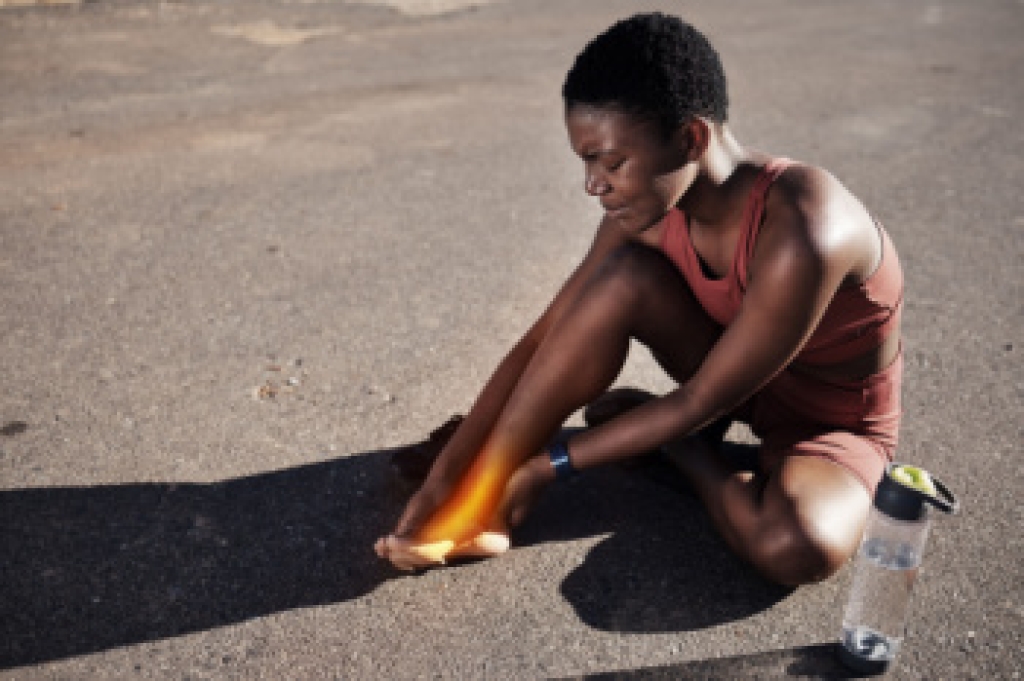
Arthritis in the feet can make each step painful and limit daily movement. Osteoarthritis is a long-term joint condition that affects the entire joint and the tissues around it. In the foot, damaged joints can become painful, swollen, and stiff. Movement may become harder as symptoms progress. Reduced movement can also weaken nearby muscles and make physical activities more difficult. Although osteoarthritis is more frequent in older adults, it is not an unavoidable part of aging. Younger people can also develop it, especially after a joint injury or repeated stress.

Several factors can increase the risk of osteoarthritis. Previous joint injuries, repeated stress, and excess body weight can contribute to the condition. Genetics and age can also play a role. Symptoms can begin slowly, although they can appear more quickly after an injury or strain. Foot arthritis can affect mobility because the feet carry body weight and help the body move forward with every step. Pain and stiffness can make work or social activities harder. Some patients also experience discomfort while resting when osteoarthritis becomes severe.

A podiatrist can evaluate painful foot joints and determine how arthritis is affecting movement and function. An examination can assess swelling, joint motion, and areas of tenderness. Treatment can focus on reducing pressure on painful joints and supporting better mobility. A podiatrist can recommend braces or other supportive devices when appropriate. Care can also include guided exercises to strengthen muscles and maintain joint movement. If you have symptoms of arthritic foot pain, it is suggested that you schedule an appointment with a podiatrist for diagnosis and treatment.

Arthritis can be a difficult condition to live with. If you are seeking treatment, contact Afsha Naimat-Shahzad, DPM from Leander Foot & Ankle. Our doctor can provide the care you need to keep you pain-free and on your feet.

Arthritic Foot Care  

Arthritis is a joint disorder that involves the inflammation of different joints in your body, such as those in your feet. Arthritis is often caused by a degenerative joint disease and causes mild to severe pain in all affected areas. In addition to this, swelling and stiffness in the affected joints can also be a common symptom of arthritis.

In many cases, wearing ill-fitting shoes can worsen the effects and pain of arthritis. Wearing shoes that have a lower heel and extra room can help your feet feel more comfortable. In cases of rheumatoid arthritis, the arch in your foot may become problematic. Buying shoes with proper arch support that contour to your feet can help immensely.

Alleviating Arthritic Pain

  • Exercises that stretch the foot can prevent further pain and injury and increase mobility
  • Most of the pain can be alleviated with anti-inflammatory drugs, heat, and topical medications
  • Massages can help temporarily alleviate pain.

It is best to see your doctor for the treatment that is right for your needs and symptoms. Conditions vary, and a podiatrist can help you determine the right method of care for your feet.

If you have any questions please feel free to contact our office located in Leander, TX . We offer the newest diagnostic tools and technology to treat your foot and ankle needs.
Read more about Arthritic Foot Care

Why Hammertoe Can Making Walking Painful

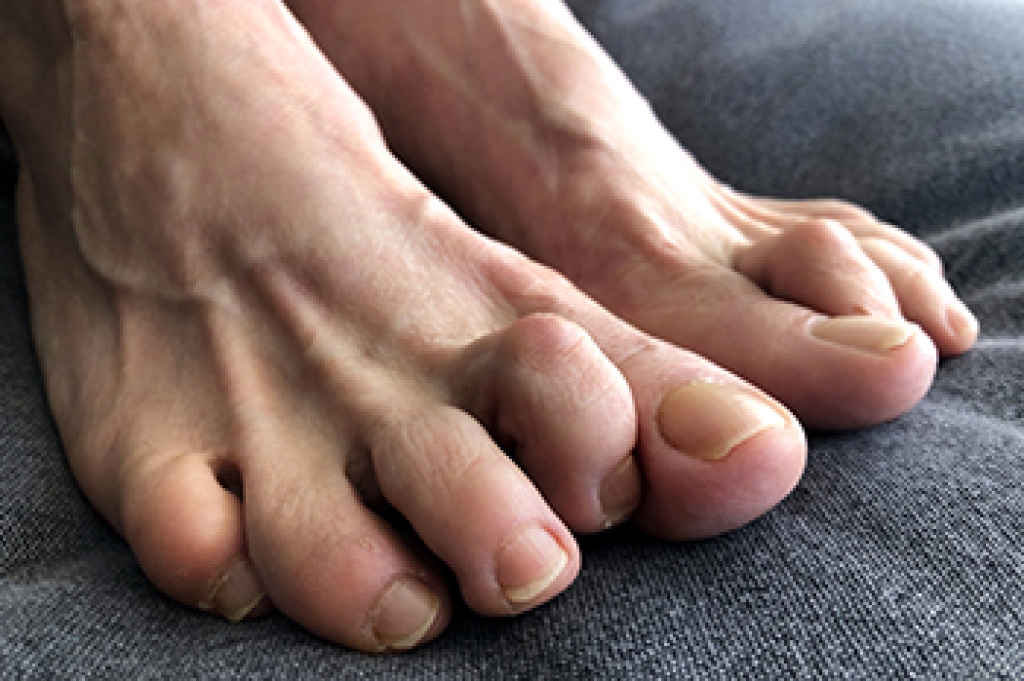
Hammertoe occurs when an imbalance in the muscles and tendons causes a toe to develop an abnormal bend. The middle joint is commonly affected, giving the toe its characteristic appearance. Hammertoe can be flexible in its early stages or rigid as the deformity progresses. A flexible toe can still move into a straighter position. A rigid toe remains fixed and may become increasingly uncomfortable.

Hammertoe symptoms often become more noticeable when walking or wearing shoes. Pain may develop in the affected toe or at the toe joint where it meets the foot. The bent joint may rub against footwear and develop a corn or callus. Some people experience swelling, redness, or tenderness after spending time on their feet. Wearing shoes that do not fit properly can make these symptoms worse. High heels may also crowd the toes and increase pressure.


Your natural foot structure can also affect your risk. People with high arches may place greater pressure on the front of the foot. Flat feet can alter normal walking mechanics and contribute to uneven pressure. Other risk factors include family history, aging, and footwear that squeezes the toes. Recognizing these factors early may help reduce ongoing irritation and protect comfortable movement.


A podiatrist can evaluate the toe and determine whether the deformity is flexible or rigid. The examination may include checking your walking pattern and joint movement. Treatment can involve changing footwear, using protective padding, or prescribing custom orthotics. Severe or rigid deformities may require surgery when conservative care does not provide adequate relief. If you have a painful toe or one that is bent, it is suggested that you consult a podiatrist for effective relief, treatment, and management solutions.

Hammertoes can be a painful condition to live with. For more information, contact Afsha Naimat-Shahzad, DPM of Leander Foot & Ankle. Our doctor will answer any of your foot- and ankle-related questions.

Hammertoe

Hammertoe is a foot deformity that occurs due to an imbalance in the muscles, tendons, or ligaments that normally hold the toe straight. It can be caused by the type of shoes you wear, your foot structure, trauma, and certain disease processes.

Symptoms

  • Painful and/or difficult toe movement
  • Swelling
  • Joint stiffness
  • Calluses/Corns
  • Physical deformity

Risk Factors

  • Age – The risk of hammertoe increases with age
  • Sex – Women are more likely to have hammertoe compared to men
  • Toe Length – You are more likely to develop hammertoe if your second toe is longer than your big toe
  • Certain Diseases – Arthritis and diabetes may make you more likely to develop hammertoe

Treatment

If you have hammertoe, you should change into a more comfortable shoe that provides enough room for your toes. Exercises such as picking up marbles may strengthen and stretch your toe muscles. Nevertheless, it is important to seek assistance from a podiatrist in order to determine the severity of your hammertoe and see which treatment option will work best for you.

If you have any questions, please feel free to contact our office located in Leander, TX . We offer the newest diagnostic and treatment technologies for all your foot care needs.

Read more about Hammertoe

Cracked Heels and the Pressure of Daily Habits

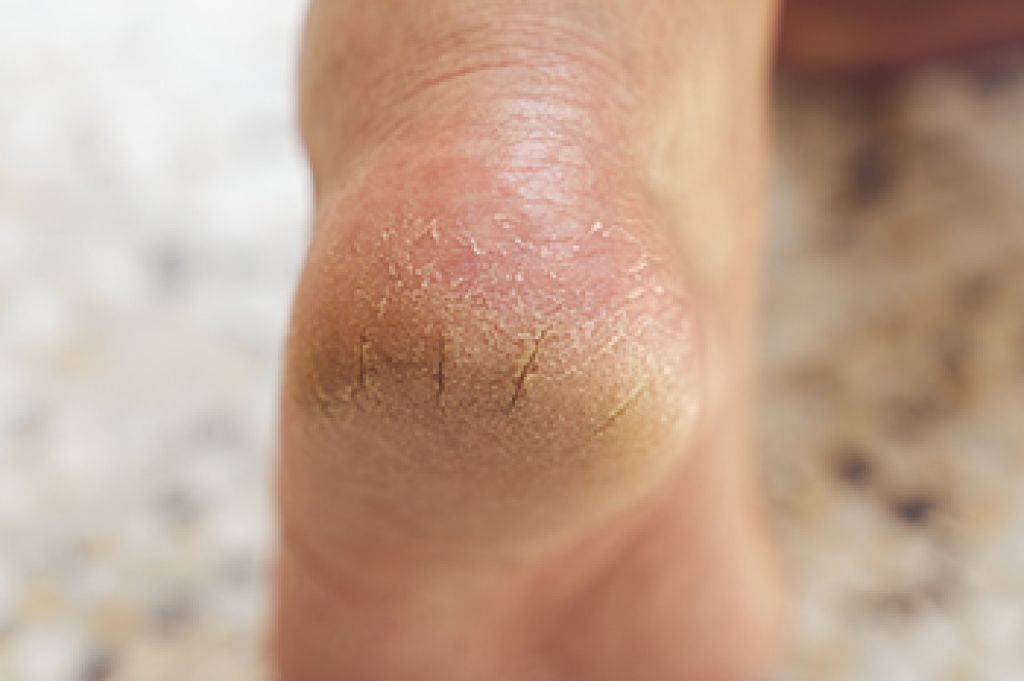
Cracked heels develop when dry, thickened skin around the heel loses flexibility and begins to split. These splits, also called heel fissures, may start as small lines and gradually become deeper. Symptoms can include itching, redness, and rough skin. More serious cracks may bleed and become painful during walking. Because the heels support much of the body's weight, repeated pressure can make the condition worse and interfere with comfortable daily activities.

Several everyday habits can increase the risk of cracked heels. Standing for long periods of time places repeated pressure on the heel and may cause dry skin to split. Walking barefoot offers little protection from rough surfaces and can increase friction. Being overweight may place additional pressure on the heels. Other risk factors include dry skin, wearing poorly fitting footwear, and prolonged exposure to dry environments. People who notice thick, callused skin should take steps to keep their heels protected and moisturized.


A podiatrist can examine the heels and determine how deep the cracks have become. The skin may be carefully reduced to remove thickened areas that contribute to pressure. A podiatrist may recommend a medical-grade moisturizer or protective dressing to support healing. Supportive footwear can also help reduce stress on the heels. If bleeding, infection, or another skin condition is present, additional treatment may be needed. Following podiatric guidance can help the skin heal safely and lower the chance of recurring fissures.


You can help prevent cracked heels by moisturizing regularly and wearing supportive shoes that protect the heel. Avoid walking barefoot on hard surfaces when possible. If standing is required for work, take opportunities to rest your feet throughout the day. Do not cut or aggressively scrape thickened skin at home. Persistent itching, redness, or bleeding should be evaluated promptly. If you have painful cracked heels, it is suggested that you consult a podiatrist for effective treatment solutions, which may include prescribed medication.

Cracked heels are unsightly and can cause further damage to your shoes and feet. If you have any concerns, contact Afsha Naimat-Shahzad, DPM from Leander Foot & Ankle. Our doctor can provide the care you need to keep you pain-free and on your feet.

Cracked Heels

Cracked heels appear unappealing and can make it harder for you walk around in sandals. Aside from looking unpleasant, cracked heels can also tear stockings, socks, and wear out your shoes. There are several methods to help restore a cracked heel and prevent further damage.

How Do You Get Them?

Dry skin is the number one culprit in creating cracked heels. Many athletes, walkers, joggers, and even swimmers suffer from cracked heels. Age and skin oil production play a role to getting cracked heels as well.

Promote Healing

Over the counter medicines can help, especially for those that need instant relief or who suffer from chronic dry feet.

Wear Socks – Wearing socks with medicated creams helps lock in moisture.

Moisturizers – Applying both day and night will help alleviate dryness which causes cracking.

Pumice Stones – These exfoliate and remove dead skin, which allows for smoother moisturizer application and better absorption into the skin. 

Change in Diet

Eating healthy with a well-balanced diet will give the skin a fresh and radiant look. Your body responds to the kinds of food you ingest. Omega-3 fatty acids and zinc supplements can also revitalize skin tissue.

Most importantly, seek professional help if unsure how to proceed in treating cracked heels. A podiatrist will help you with any questions or information needed. 

If you have any questions, please feel free to contact our office located in Leander, TX . We offer the newest diagnostic and treatment technologies for all your foot care needs.

Read more about Solutions for Cracked Heels

Wounds That Don't Heal Need to Be Checked

Your feet are covered most of the day. If you're diabetic, periodic screening is important for good health. Numbness is often a sign of diabetic foot and can mask a sore or wound.

Foot and Ankle Stress Fractures Facts

Repeated pressure on the feet and ankles can create tiny cracks in a bone called stress fractures. They differ from breaks caused by one sudden injury. Stress fractures develop when a bone cannot recover from repeated force. Runners, dancers, and athletes who suddenly increase training face a greater risk. People who spend long hours standing or walking can also be affected. Bones weakened by low bone density are more vulnerable. Stress fractures frequently occur in weight-bearing bones of the foot and lower leg. Pain usually begins in one spot and worsens with activity. Swelling and tenderness can develop near the injured bone.

Ignoring these symptoms can allow a small crack to worsen. Patients may begin to limp or have pain during daily activities. A podiatrist will ask about exercise, work demands, and changes in activity. The examination includes checking the area for swelling, tenderness, and changes in movement. X-rays may not show a stress fracture because the crack can be too small. An MRI scan or other imaging test can provide a clearer view. The podiatrist also looks for factors that place extra stress on the bone. These include foot structure, an uneven walking pattern, or shoes that lack proper support.

Treatment protects the bone so it can heal. A podiatrist may recommend a walking boot, a stiff-soled shoe, or crutches to reduce pressure. The choice depends on the fracture's location and severity. The podiatrist can explain which activities to limit and when a return is safe. Custom orthotics may improve pressure distribution and lower the risk of injury. Surgery may be needed when a fracture is unstable, has shifted, or is not healing. Follow-up visits help track healing and guide treatment changes. Returning to exercise too soon can reopen the crack or cause a complete break. If you have symptoms of a foot or ankle stress fracture, it is suggested that you schedule an appointment with a podiatrist for a diagnosis and appropriate treatment.

Stress fractures occur when there is a tiny crack within a bone. To learn more, contact Afsha Naimat-Shahzad, DPM from Leander Foot & Ankle. Our doctor can provide the care you need to keep you pain free and on your feet.

How Are They Caused?

Stress fractures are the result of repetitive force being placed on the bone. Since the lower leg and feet often carry most of the body’s weight, stress fractures are likely to occur in these areas. If you rush into a new exercise, you are more likely to develop a stress fracture since you are starting too much, too soon.  Pain resulting from stress fractures may go unnoticed at first, however it may start to worsen over time.

Risk Factors

  • Gender – They are more commonly found in women compared to men.
  • Foot Problems – People with unusual arches in their feet are more likely to develop stress fractures.
  • Certain Sports – Dancers, gymnasts, tennis players, runners, and basketball players are more likely to develop stress fractures.
  • Lack of Nutrients – A lack of vitamin D and calcium may weaken the bones and make you more prone to stress fractures
  • Weak Bones – Osteoporosis can weaken the bones therefore resulting in stress fractures

Stress fractures do not always heal properly, so it is important that you seek help from a podiatrist if you suspect you may have one. Ignoring your stress fracture may cause it to worsen, and you may develop chronic pain as well as additional fractures.

If you have any questions please contact our office located in Leander, TX . We offer the newest diagnostic and treatment technologies for all your foot and ankle needs.

Read more about Stress Fractures of the Foot and Ankle

Connect With Us