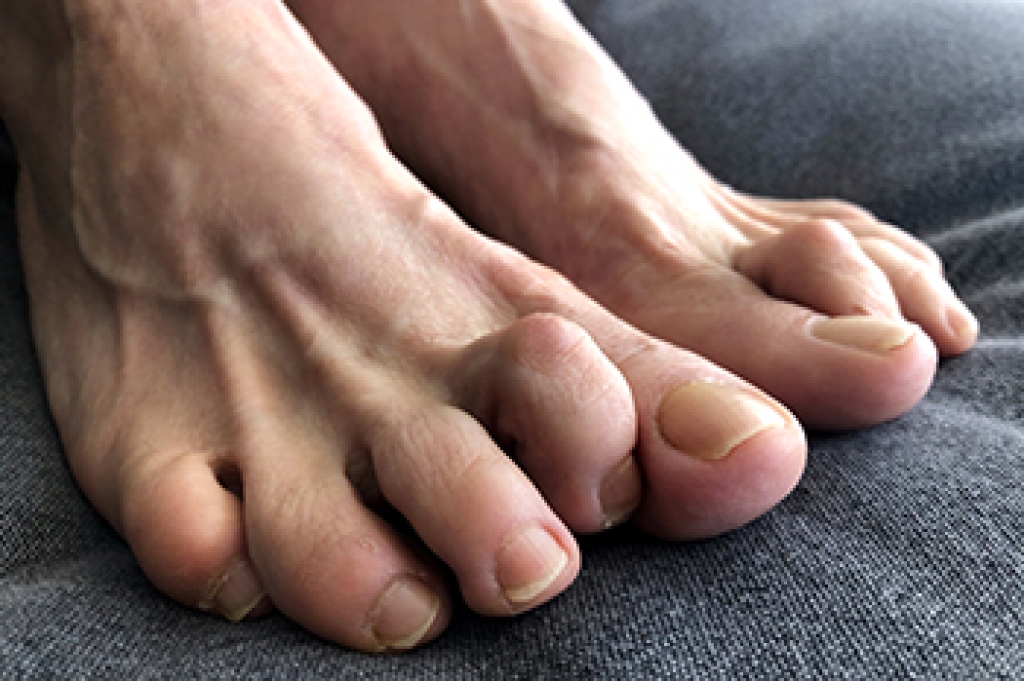
Yoga Poses That Improve Foot Flexibility and Strength

Yoga poses that stretch the feet are designed to improve flexibility, strength, and overall foot function. These movements focus on lengthening tight tissues, increasing circulation, and supporting recovery after a strain or minor injury. The purpose of foot-focused yoga is to make the feet more supple and better able to absorb stress from daily activities. Many individuals overlook foot mobility, yet limited flexibility can lead to discomfort and poor balance. Regular stretching can support healthy movement patterns and reduce strain on surrounding joints.

Common symptoms that may indicate a need for foot stretching include stiffness, arch discomfort, reduced range of motion, and fatigue after standing or walking. Risk factors include sedentary behavior, wearing improper footwear, and repetitive stress. A lack of stretching is another factor. Causes of foot tightness may involve muscle overuse, limited activity, or recovery from minor injuries. Addressing these issues through guided movement can help restore function and prevent worsening symptoms over time.


Several yoga poses target the feet effectively. Hero pose involves kneeling with the feet positioned under the hips, which stretches the top of the feet and ankles while improving alignment. Finger threading is performed by interlacing the fingers between the toes and gently moving the foot to increase flexibility and joint mobility. Downward dog stretches the entire lower body, including the arches and heels, while promoting circulation. Additionally, toe balance requires standing on the balls of the feet, which strengthens the foot muscles and improves stability. Each pose provides unique benefits that support foot health.


The benefits of these poses include improved flexibility, better shock-absorption, enhanced balance, and reduced risk of injury. Regular practice can also support faster recovery from strain and improve overall comfort. If you have foot or ankle pain, it is suggested that you consult a podiatrist for effective relief tips and guidance on additional stretches for the feet.

Why Stretching Is Important for Your Feet

Stretching the feet is a great way to prevent injuries. If you have any concerns with your feet consult with Afsha Naimat-Shahzad, DPM from Leander Foot & Ankle. Our doctor will assess your condition and provide you with quality foot and ankle treatment.

Stretching the Feet

Stretching the muscles in the foot is an important part in any physical activity. Feet that are tight can lead to less flexibility and make you more prone to injury. One of the most common forms of foot pain, plantar fasciitis, can be stretched out to help ease the pain. Stretching can not only ease pain from plantar fasciitis but also prevent it as well. However, it is important to see a podiatrist first to determine if stretching is right for you. Podiatrists can also recommend other ways to stretch your feet. Once you know whether stretching is right for you, here are some excellent stretches you can do.

  • Using a foam roller or any cylindrical object (a water bottle or soda can will do), roll the object under your foot back and forth. You should also exert pressure on the object. Be sure to do this to both feet for a minute. Do this exercise three times each.
  • Similar to the previous exercise, take a ball, such as a tennis ball, and roll it under your foot while seated and exert pressure on it.
  • Grab a resistance band or towel and take a seat. If you are using a towel, fold it length wise. Next put either one between the ball of your foot and heel and pull with both hands on each side towards you. Hold this for 15 seconds and then switch feet. Do this three times for each foot.
  • Finally hold your big toe while crossing one leg over the other. Pull the toe towards you and hold for 15 seconds. Once again do this three times per foot.

It is best to go easy when first stretching your foot and work your way up. If your foot starts hurting, stop exercising to ice and rest the foot. It is advised that you then see a podiatrist for help.

If you have any questions please contact our office located in Leander, TX . We offer the newest diagnostic and treatment technologies for all your foot and ankle needs.

Read more about Stretching Your Feet

High Heels May Cause Foot Pain

Foot pain fromwearing  high heels is a common issue that develops due to unnatural positioning of the foot and ankle. High heels force the ankle to bend forward, shifting body weight onto the front of the foot. This altered alignment increases pressure on the toes, forefoot, and joints. Over time, this repeated stress can lead to discomfort and structural changes. Understanding how high heels affect foot mechanics is important for preventing long term damage and maintaining overall foot health.

Symptoms often begin with soreness in the ball of the foot and may progress to sharp or burning pain. Many individuals experience swelling, redness, or tenderness after prolonged wear. The forward shift of weight can also cause toe crowding, which may lead to conditions such as bunions or hammertoes. Some people report ankle instability or fatigue due to the constant strain placed on the lower leg muscles. These symptoms can worsen with frequent or extended use of high heeled shoes.


Several risk factors increase the likelihood of foot pain when wearing high heels. Individuals who wear high heels daily or for long periods are at greater risk of developing chronic discomfort. Poor foot structure, such as flat feet or high arches, can further increase strain. The primary cause of pain is the uneven distribution of body weight and the forced forward-bending of the ankle, which places stress on joints and soft tissues.


Reducing foot pain involves making thoughtful footwear choices and limiting high heel use. Selecting shoes with lower heels, a wider toe box, and added cushioning can help reduce pressure. Alternating footwear and allowing time for recovery can also support foot health. Stretching and strengthening exercises may improve flexibility and stability. If you frequently wear high heels and have developed foot pain, it is suggested that you consult a podiatrist for effective relief tips.

High heels have a history of causing foot and ankle problems. If you have any concerns about your feet or ankles, contact Afsha Naimat-Shahzad, DPM from Leander Foot & Ankle. Our doctor can provide the care you need to keep you pain-free and on your feet.

Effects of High Heels on the Feet

High heels are popular shoes among women because of their many styles and societal appeal.  Despite this, high heels can still cause many health problems if worn too frequently.

Which Parts of My Body Will Be Affected by High Heels?

  • Ankle Joints
  • Achilles Tendon – May shorten and stiffen with prolonged wear
  • Balls of the Feet
  • Knees – Heels cause the knees to bend constantly, creating stress on them
  • Back – They decrease the spine’s ability to absorb shock, which may lead to back pain.  The vertebrae of the lower back may compress.

What Kinds of Foot Problems Can Develop from Wearing High Heels?

  • Corns
  • Calluses
  • Hammertoe
  • Bunions
  • Morton’s Neuroma
  • Plantar Fasciitis

How Can I Still Wear High Heels and Maintain Foot Health?

If you want to wear high heeled shoes, make sure that you are not wearing them every day, as this will help prevent long term physical problems.  Try wearing thicker heels as opposed to stilettos to distribute weight more evenly across the feet.  Always make sure you are wearing the proper shoes for the right occasion, such as sneakers for exercising.  If you walk to work, try carrying your heels with you and changing into them once you arrive at work.  Adding inserts to your heels can help cushion your feet and absorb shock. Full foot inserts or metatarsal pads are available. 

If you have any questions, please feel free to contact our office located in Leander, TX . We offer the newest diagnostic and treatment technologies for all your foot care needs.
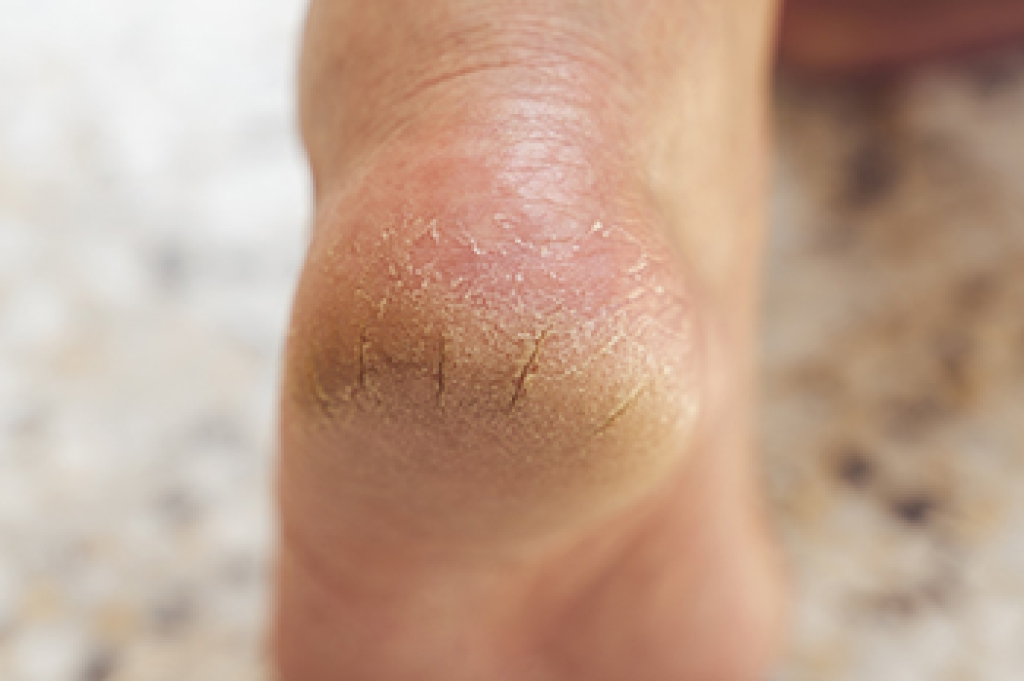

Read more about Why High Heels Are Not Ideal for Healthy Feet

Gout Pain in the Big Toe

Gout is a form of inflammatory arthritis that develops when uric acid builds up in the bloodstream and forms sharp crystals in the joints. It most commonly affects the big toe, although other joints can also be involved. This condition often begins suddenly and can cause intense discomfort that disrupts daily life. Gout is known for its rapid onset and severe symptoms, which may occur without warning and require prompt attention to prevent long-term joint damage.

The symptoms of gout are often dramatic and easy to recognize. Many individuals experience sudden, severe attacks of pain that frequently begin at night. The affected joint, most often the big toe, may become swollen, tender, and warm to the touch. Even light pressure from bedding or footwear can feel unbearable. These episodes, sometimes referred to as flare-ups, can last for several days and may return if the underlying cause is not addressed. Stiffness and limited joint movement may also develop over time.


Gout occurs when excess uric acid accumulates in the body, leading to crystal formation in the joints. This buildup may result from dietary habits, reduced kidney function, or certain medical conditions. Risk factors include obesity, high blood pressure, and diabetes. A diet high in purine rich foods such as red meat and seafood is another factor. Alcohol consumption and dehydration can increase the likelihood of gout attacks. Genetics may play a role, as well, making some individuals more prone to developing this condition.


Managing gout involves reducing uric acid levels and preventing flare-ups through lifestyle changes and medical care. Maintaining a balanced diet, staying well hydrated, and avoiding trigger foods can help reduce symptoms. A podiatrist can evaluate joint pain, confirm a diagnosis, and recommend treatment options to protect joint health and improve mobility. If you have symptoms of gout, it is strongly suggested that you are under the care of a podiatrist who can help you manage this painful condition.

Gout is a foot condition that requires certain treatment and care. If you are seeking treatment, contact Afsha Naimat-Shahzad, DPM from Leander Foot & Ankle. Our doctor will treat your foot and ankle needs.

What Is Gout?

Gout is a type of arthritis caused by a buildup of uric acid in the bloodstream. It often develops in the foot, especially the big toe area, although it can manifest in other parts of the body as well. Gout can make walking and standing very painful and is especially common in diabetics and the obese.

People typically get gout because of a poor diet. Genetic predisposition is also a factor. The children of parents who have had gout frequently have a chance of developing it themselves.

Gout can easily be identified by redness and inflammation of the big toe and the surrounding areas of the foot. Other symptoms include extreme fatigue, joint pain, and running high fevers. Sometimes corticosteroid drugs can be prescribed to treat gout, but the best way to combat this disease is to get more exercise and eat a better diet.

If you have any questions, please feel free to contact our office located in Leander, TX . We offer the newest diagnostic and treatment technologies for all your foot care needs.
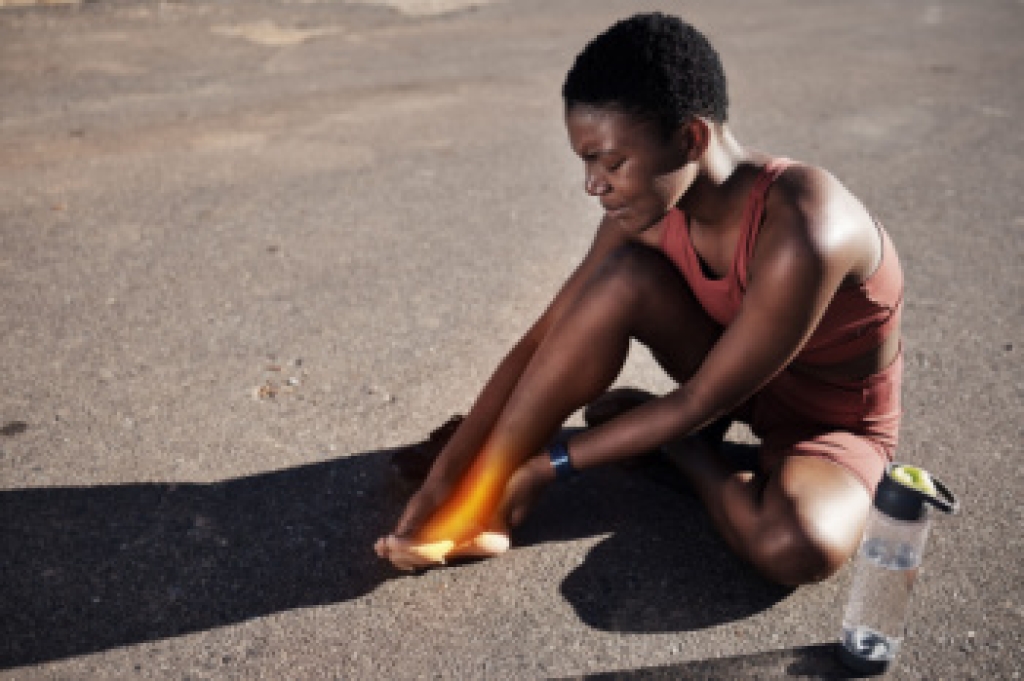
Read more about Everything You Need to Know About Gout

Choosing the Best Treadmill Shoes for Comfort

Selecting the right treadmill shoes is essential for maintaining foot health and improving workout performance. Treadmill shoes are designed to support repetitive forward motion while reducing impact on the feet and joints. The definition of a proper treadmill shoe includes features such as a supple midsole cushioning system, low shock absorption, and a generous toe box. These elements work together to provide stability, comfort, and protection during indoor running or walking routines.

Symptoms of wearing improper shoes on a treadmill may include foot pain, blisters, and joint discomfort. Some individuals may experience arch pain or heel soreness due to poor shock absorption. Tight shoes can cause pressure on the toes, while loose shoes may lead to instability and friction. These issues can affect workout consistency and increase the risk of injury. Recognizing these symptoms early can help prevent long-term foot problems.


Risk factors for treadmill related foot pain include improper shoe fitting, worn out footwear, and lack of proper cushioning. Shoes that do not match foot shape or size can lead to uneven weight distribution. A narrow toe box may compress the toes, while insufficient midsole support may fail to absorb repeated impact. These factors highlight the importance of selecting shoes designed specifically for treadmill use.


Choosing the best treadmill shoes involves proper fitting and attention to key features. A well-fitted shoe should allow space for toe movement while providing a secure heel fit. Supple midsole cushioning helps absorb impact, while low shock design reduces strain on joints. A generous toe box improves comfort and prevents crowding. Regularly replacing worn shoes and monitoring foot comfort can support better outcomes. If you have foot pain from shoes on a treadmill, it is suggested that you consult a podiatrist for effective relief tips, and guidance on choosing the best treadmill shoes for you.

It is important to find shoes that fit you properly in order to avoid a variety of different foot problems. For more information about treatment, contact Afsha Naimat-Shahzad, DPM from Leander Foot & Ankle. Our doctor will treat your foot and ankle needs.

Proper Shoe Fitting

Shoes have many different functions. They cushion our body weight, protect our feet, and allow us to safely play sports. You should always make sure that the shoes you wear fit you properly in order to avoid injuries and deformities such as: bunions, corns, calluses, hammertoes, plantar fasciitis, stress fractures, and more. It is important to note that although a certain pair of shoes might be a great fit for someone else, that doesn’t mean they will be a great fit for you. This is why you should always try on shoes before buying them to make sure they are worth the investment. Typically, shoes need to be replaced ever six months to one year of regular use.

Tips for Proper Shoe Fitting

  • Select a shoe that is shaped like your foot
  • Don’t buy shoes that fit too tight, expecting them to stretch to fit
  • Make sure there is enough space (3/8” to ½”) for your longest toe at the end of each shoe when you are standing up
  • Walk in the shoes to make sure they fit and feel right
  • Don’t select shoes by the size marked inside the shoe, but by how the shoe fits your foot

The shoes you buy should always feel as good as they look. Shoes that fit properly will last longer, feel better, and improve your way of life each day.

If you have any questions please contact our office located in Leander, TX . We offer the newest diagnostic and treatment technologies for all your foot and ankle needs.

Read more about How to Get a Proper Shoe Fit

Do You Suffer From Painful Feet?

Painful deformities, such as hammertoes, can be treated. Stop living with foot pain, and have beautiful feet again!

Connect With Us