
Your feet are covered most of the day. If you're diabetic, periodic screening is important for good health. Numbness is often a sign of diabetic foot and can mask a sore or wound.
Your feet are covered most of the day. If you're diabetic, periodic screening is important for good health. Numbness is often a sign of diabetic foot and can mask a sore or wound.

Repeated pressure on the feet and ankles can create tiny cracks in a bone called stress fractures. They differ from breaks caused by one sudden injury. Stress fractures develop when a bone cannot recover from repeated force. Runners, dancers, and athletes who suddenly increase training face a greater risk. People who spend long hours standing or walking can also be affected. Bones weakened by low bone density are more vulnerable. Stress fractures frequently occur in weight-bearing bones of the foot and lower leg. Pain usually begins in one spot and worsens with activity. Swelling and tenderness can develop near the injured bone.
Ignoring these symptoms can allow a small crack to worsen. Patients may begin to limp or have pain during daily activities. A podiatrist will ask about exercise, work demands, and changes in activity. The examination includes checking the area for swelling, tenderness, and changes in movement. X-rays may not show a stress fracture because the crack can be too small. An MRI scan or other imaging test can provide a clearer view. The podiatrist also looks for factors that place extra stress on the bone. These include foot structure, an uneven walking pattern, or shoes that lack proper support.
Treatment protects the bone so it can heal. A podiatrist may recommend a walking boot, a stiff-soled shoe, or crutches to reduce pressure. The choice depends on the fracture's location and severity. The podiatrist can explain which activities to limit and when a return is safe. Custom orthotics may improve pressure distribution and lower the risk of injury. Surgery may be needed when a fracture is unstable, has shifted, or is not healing. Follow-up visits help track healing and guide treatment changes. Returning to exercise too soon can reopen the crack or cause a complete break. If you have symptoms of a foot or ankle stress fracture, it is suggested that you schedule an appointment with a podiatrist for a diagnosis and appropriate treatment.
Stress fractures occur when there is a tiny crack within a bone. To learn more, contact Afsha Naimat-Shahzad, DPM from Leander Foot & Ankle. Our doctor can provide the care you need to keep you pain free and on your feet.
How Are They Caused?
Stress fractures are the result of repetitive force being placed on the bone. Since the lower leg and feet often carry most of the body’s weight, stress fractures are likely to occur in these areas. If you rush into a new exercise, you are more likely to develop a stress fracture since you are starting too much, too soon. Pain resulting from stress fractures may go unnoticed at first, however it may start to worsen over time.
Risk Factors
Stress fractures do not always heal properly, so it is important that you seek help from a podiatrist if you suspect you may have one. Ignoring your stress fracture may cause it to worsen, and you may develop chronic pain as well as additional fractures.
If you have any questions please contact our office located in Leander, TX . We offer the newest diagnostic and treatment technologies for all your foot and ankle needs.

The plantar fascia is a strong band of tissue that runs along the bottom of the foot and helps support the arch. A sharp pain near the heel with the first morning steps can be a sign of plantar fasciitis. This painful condition usually causes a sharp or aching pain near the heel. Pain is frequently strongest with the first steps after getting out of bed or standing after a long rest. It can ease after a few minutes of movement, but return after activity. Some patients also notice stiffness or tenderness along the bottom of the foot.
Repeated strain can place too much stress on the plantar fascia. Risk factors include a sudden increase in exercise, long hours spent standing, and tight calf muscles. Flat feet or high arches can also change how pressure moves through the foot. Other possible causes include excess body weight and shoes that lack proper support. Runners, dancers, and workers who spend time on hard floors can be more likely to develop symptoms. Because several problems can cause similar heel pain, an accurate diagnosis is important before treatment begins.
A podiatrist can examine the foot, review when the pain occurs, and check the patient's range of motion. X-rays or other imaging tests can help rule out a fracture, arthritis, or another cause of heel pain. Treatment by a podiatrist includes custom orthotics, supportive shoe recommendations, and a guided stretching program. This foot doctor may also suggest wearing a night splint or temporary walking boot to reduce strain. Surgery is rarely required, but it can be considered for severe pain that continues despite other care. Early evaluation can help prevent the pain from limiting work, exercise, and everyday movement. It can also support a safer return to activity. If you have symptoms of plantar fasciitis, it is suggested that you schedule an appointment with a podiatrist for effective relief and treatment solutions.
Plantar fasciitis is a common foot condition that is often caused by a strain injury. If you are experiencing heel pain or symptoms of plantar fasciitis, contact Afsha Naimat-Shahzad, DPM from Leander Foot & Ankle. Our doctor can provide the care you need to keep you pain-free and on your feet.
What Is Plantar Fasciitis?
Plantar fasciitis is one of the most common causes of heel pain. The plantar fascia is a ligament that connects your heel to the front of your foot. When this ligament becomes inflamed, plantar fasciitis is the result. If you have plantar fasciitis you will have a stabbing pain that usually occurs with your first steps in the morning. As the day progresses and you walk around more, this pain will start to disappear, but it will return after long periods of standing or sitting.
What Causes Plantar Fasciitis?
There are some risk factors that may make you more likely to develop plantar fasciitis compared to others. The condition most commonly affects adults between the ages of 40 and 60. It also tends to affect people who are obese because the extra pounds result in extra stress being placed on the plantar fascia.
Prevention
There are a variety of treatment options available for plantar fasciitis along with the pain that accompanies it. Additionally, physical therapy is a very important component in the treatment process. It is important that you meet with your podiatrist to determine which treatment option is best for you.
If you have any questions, please feel free to contact our office located in Leander, TX . We offer the newest diagnostic and treatment technologies for all your foot care needs.

Heel pain can turn a short walk into an unpleasant experience. Each time your heel hits the ground, a heel strike sends force through the heel and ankle. Pain begins when tissues or bones cannot handle that force well. One cause is plantar fasciitis, irritation of the strong band along the bottom of the foot. Another cause is Achilles tendinitis, an irritation of the tendon that connects the calf muscle to the heel. Either problem can result in pain, stiffness, or swelling.
Other foot problems can make the heel hurt while walking. A stress fracture is a small crack in the heel bone, caused by repeated high-impact activity. A pinched nerve near the ankle can also cause pain, tingling, or numbness around the heel. An irritated fluid-filled sac, called a bursa, near a tendon can hurt. Shoes that lack proper support can add heel strain. A sudden increase in running, jumping, or long-distance walking can do the same. Severe pain after an injury, an inability to bear weight, or major swelling deserves prompt medical attention. Because several problems cause similar symptoms, the location and pattern of pain matter.
A podiatrist can examine your foot, watch how you walk, and ask when the pain began. Imaging can identify a fracture or hidden problem. After finding the cause, the podiatrist can create a plan that protects the injured area and improves foot support. Treatment options include custom orthotics, a walking boot, or a night splint. An injection might be considered for certain inflammation. Surgery is reserved for select cases that do not improve with other care. A podiatrist can also check your shoes and explain safe activity changes. Early evaluation is essential because walking on an injured heel can limit movement and make pain harder to manage. If you have heel pain while walking, it is suggested that you schedule an appointment with a podiatrist for a diagnosis and appropriate treatment.
Many people suffer from bouts of heel pain. For more information, contact Afsha Naimat-Shahzad, DPM of Leander Foot & Ankle. Our doctor can provide the care you need to keep you pain-free and on your feet.
Causes of Heel Pain
Heel pain is often associated with plantar fasciitis. The plantar fascia is a band of tissues that extends along the bottom of the foot. A rip or tear in this ligament can cause inflammation of the tissue.
Achilles tendonitis is another cause of heel pain. Inflammation of the Achilles tendon will cause pain from fractures and muscle tearing. Lack of flexibility is also another symptom.
Heel spurs are another cause of pain. When the tissues of the plantar fascia undergo a great deal of stress, it can lead to ligament separation from the heel bone, causing heel spurs.
Why Might Heel Pain Occur?
Treatments
Heel pain should be treated as soon as possible for immediate results. Keeping your feet in a stress-free environment will help. If you suffer from Achilles tendonitis or plantar fasciitis, applying ice will reduce the swelling. Stretching before an exercise like running will help the muscles. Using all these tips will help make heel pain a condition of the past.
If you have any questions, please feel free to contact our office located in Leander, TX . We offer the newest diagnostic and treatment technologies for all your foot care needs.
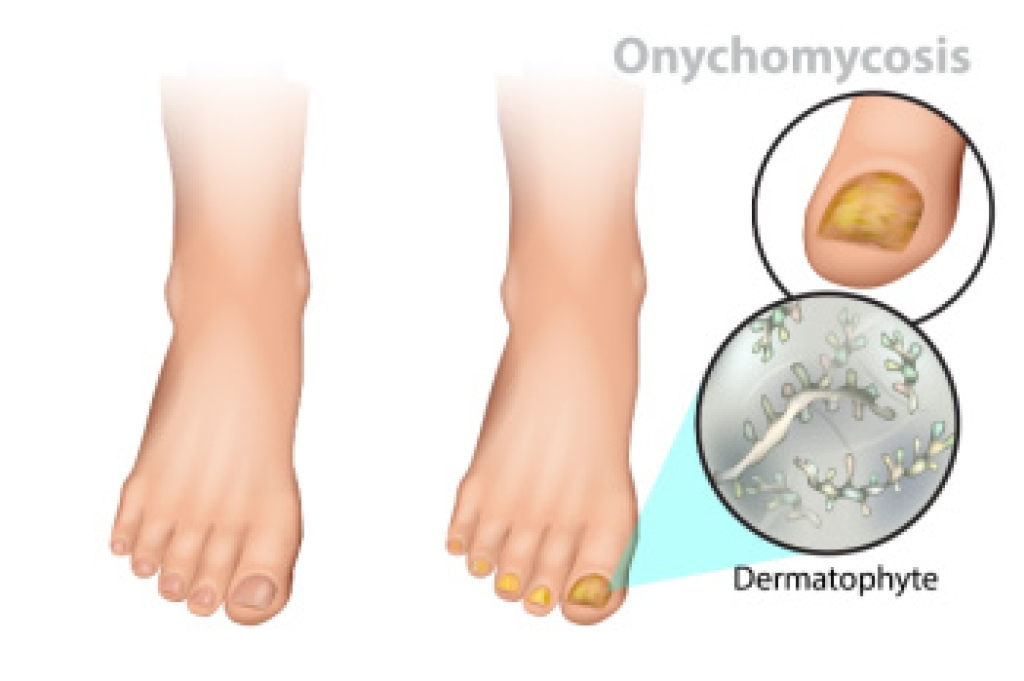
Toenail fungus is a fungal infection that can change the appearance and condition of one or more toenails. The infection develops slowly, so early changes may be easy to overlook. Symptoms can include nail discoloration, thickening, and buildup beneath the nail. As the condition progresses, shoes may feel uncomfortable because the affected nail becomes thicker. Pain can develop when pressure reaches the nail or surrounding tissue.
Fungi thrive in warm, moist environments and can spread through contact with contaminated surfaces or materials. Walking barefoot in shared wet areas can increase exposure. Risk factors include sweaty feet, tight footwear, and a history of fungal skin infections. People with slower nail growth may also have a greater chance of developing persistent changes. Recognizing these factors can encourage attention when nail appearance changes.
Toenail fungus can cause more than cosmetic concerns. Disfigurement may make nails look discolored, cloudy, or irregular. Brittle pieces may break away, while debris can collect beneath the nail. Discomfort may make wearing shoes unpleasant, and pain can occur when the nail presses against the shoe. A podiatrist evaluates the nail, surrounding skin, and symptoms. Lab tests may be used because psoriasis, trauma, and other nail disorders can resemble fungal infection.
A podiatrist creates treatment based on the infection and the condition of the nail. Care may include trimming or thinning the nail, or applying topical antifungal medication, when appropriate. Patients can support recovery by keeping feet dry and changing damp socks. Follow-up visits allow the podiatrist to monitor new nail growth and treatment response overall. Nail improvement takes time because toenails grow slowly. If you have symptoms of toenail fungus, it is suggested that you consult a podiatrist for an accurate diagnosis and appropriate treatment.
If left untreated, toenail fungus may spread to other toenails, skin, or even fingernails. If you suspect you have toenail fungus it is important to seek treatment right away. For more information about treatment, contact Afsha Naimat-Shahzad, DPM of Leander Foot & Ankle. Our doctor can provide the care you need to keep you pain-free and on your feet.
Symptoms
Treatment
If self-care strategies and over-the-counter medications does not help your fungus, your podiatrist may give you a prescription drug instead. Even if you find relief from your toenail fungus symptoms, you may experience a repeat infection in the future.
Prevention
In order to prevent getting toenail fungus in the future, you should always make sure to wash your feet with soap and water. After washing, it is important to dry your feet thoroughly especially in between the toes. When trimming your toenails, be sure to trim straight across instead of in a rounded shape. It is crucial not to cover up discolored nails with nail polish because that will prevent your nail from being able to “breathe”.
In some cases, surgical procedure may be needed to remove the toenail fungus. Consult with your podiatrist about the best treatment options for your case of toenail fungus.
If you have any questions please contact our office located in Leander, TX . We offer the newest diagnostic and treatment technologies for all your foot and ankle needs.
Connect With Us

